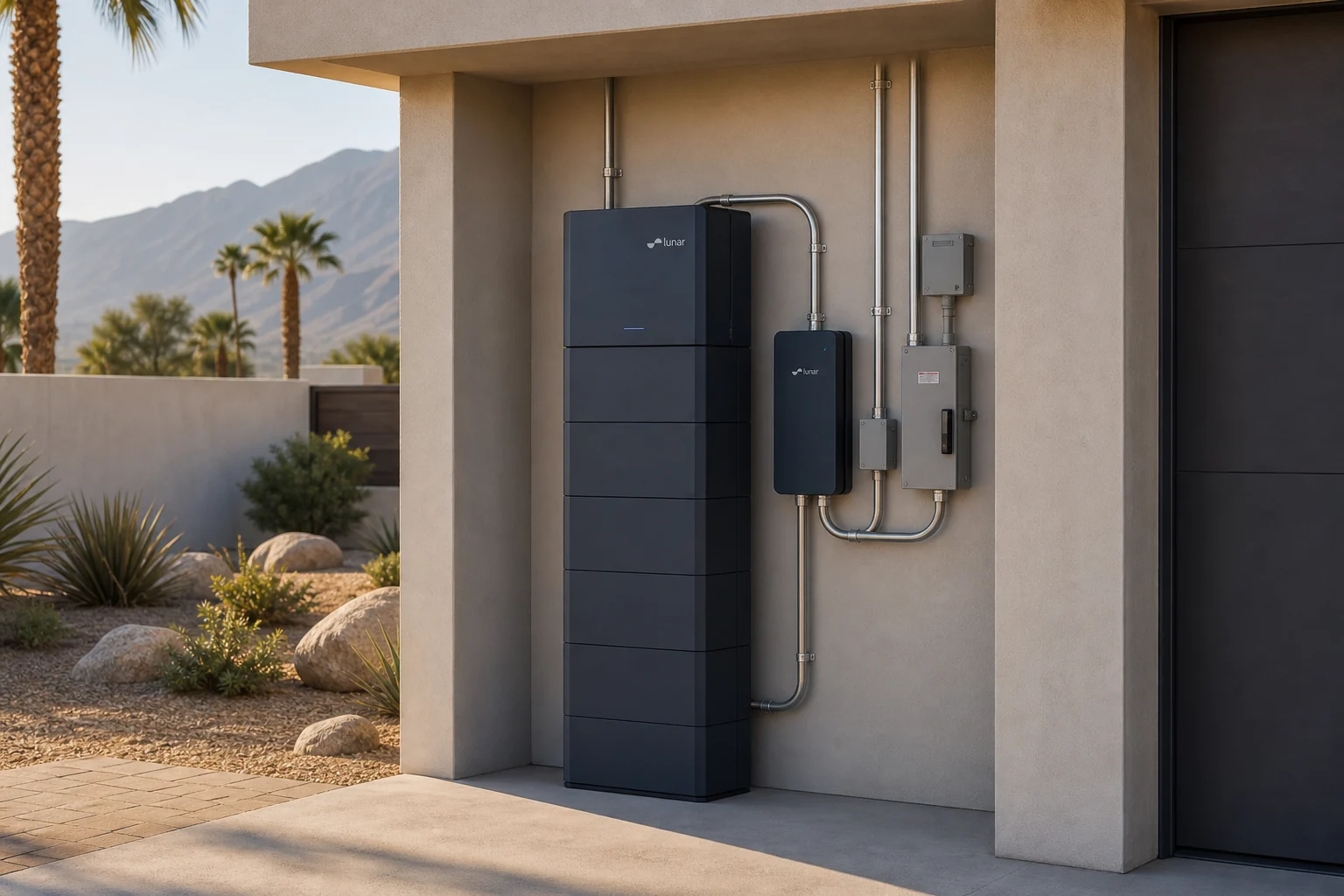
Compatibility before purchase
Installed equipment, software, interconnection, and manufacturer requirements are checked before an add-on is proposed.
Existing-system storage expansion
Expand storage capacity or add compatible equipment to an existing energy system.
Direct answer
A battery add-on expands storage or backup capability on an existing solar or battery system. The project begins with an inspection because the installed inverter, controller, service equipment, permits, software, warranties, and available space determine which additions are technically supported.
Service overview
Existing systems carry decisions made during their original design: inverter type, bus and breaker sizing, communication architecture, transfer equipment, firmware, interconnection method, equipment clearances, and warranty conditions. Those details have to be understood before new storage is selected.
We document what is installed, confirm the owner's capacity or backup goal, and determine whether the right path is adding matching batteries, using supported expansion hardware, integrating a compatible AC-coupled system, or redesigning part of the existing electrical scope.
Designed outcomes
Installed equipment, software, interconnection, and manufacturer requirements are checked before an add-on is proposed.
The expansion target is connected to backup duration, everyday energy use, or new property loads.
Working clearances, service calculations, disconnects, labeling, and current permitting requirements are reviewed.
The expanded configuration is tested so controls, charging, backup, and monitoring work together as intended.
Design inputs
Project path
We document model numbers, electrical connections, equipment condition, software access, available plans, and the installed operating configuration.
Manufacturer support, electrical limits, physical space, warranty considerations, code requirements, and the owner's expansion goal are evaluated.
The supported add-on path is translated into equipment, electrical work, updated documentation, approvals, and installation sequencing.
New equipment is integrated, firmware or controls are configured as supported, and the expanded system is tested under its intended operating modes.
Questions homeowners ask
No. Compatibility depends on the existing inverter, electrical architecture, communications, transfer equipment, manufacturer support, utility requirements, and code. Some systems support multiple expansion paths; others are limited.
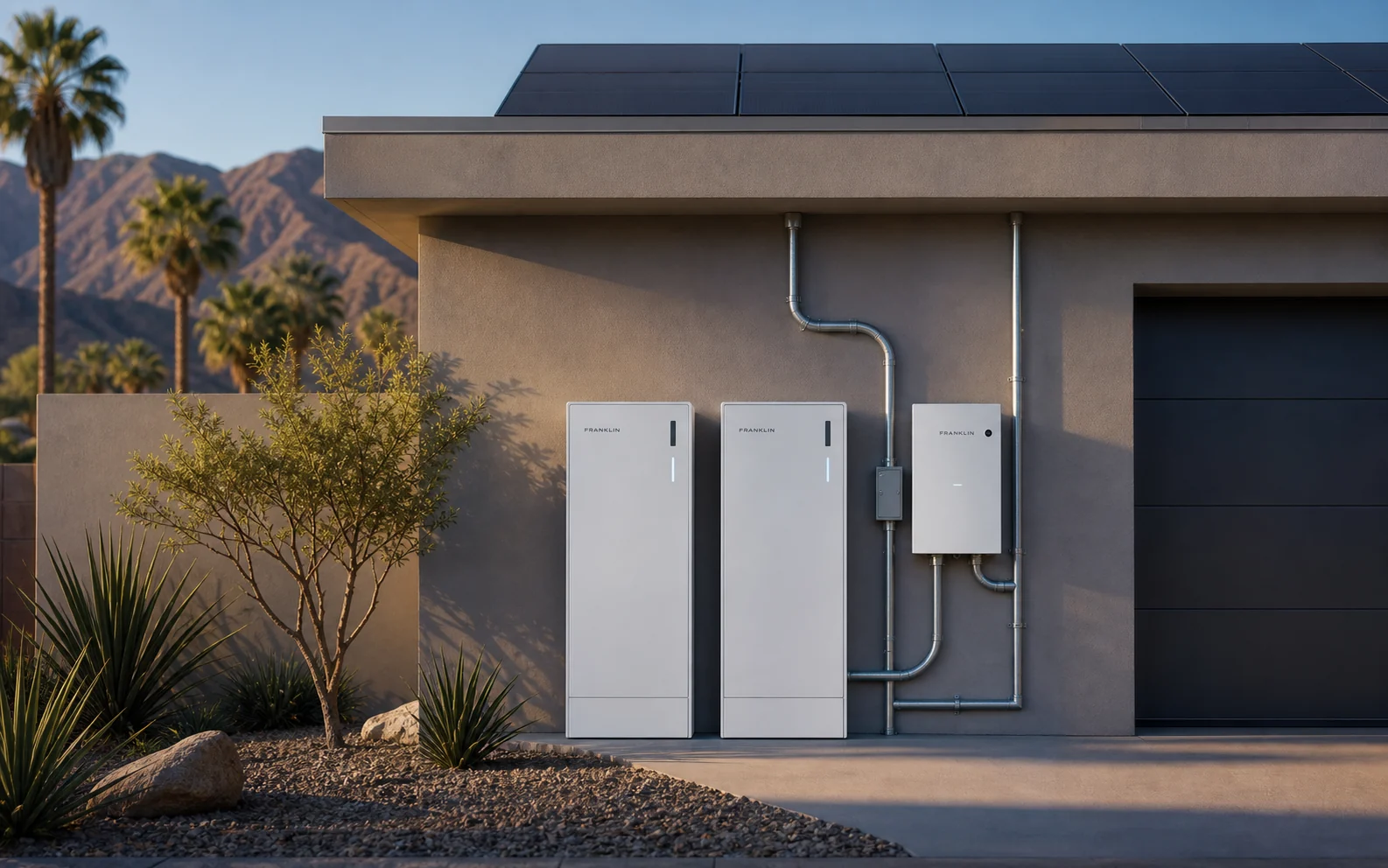
Supported FranklinWH configurations can allow additional battery capacity, but the installed aGate, battery generation, firmware, electrical design, clearances, and current manufacturer requirements must be confirmed before expansion.
Battery expansions commonly require permit and plan updates, and they may affect utility or fire-authority documentation. The exact approval path depends on the jurisdiction and the scope of electrical work.
More usable storage can increase runtime when the expanded system and electrical design support it. Actual runtime still depends on active loads, power limits, charging conditions, and the operating reserve configured for the system.
Photos of the installed equipment and labels, original plans, permit records, utility documents, monitoring screenshots, model numbers, warranty information, and a description of the desired outcome can make the first review more productive.
Next step
Send us the installed equipment, available plans, and the capacity or backup outcome you want. We will identify the supported expansion path.